

A couple of weeks ago, the UK Government’s advice to households to stock up on three days’ worth of food and water was all over social media. It came as part of the new Be Ready campaign, encouraging people to prepare for emergencies such as extreme weather, power cuts and disruption to everyday services.
Whilst the BBC reports that sales of canned goods have gone up, there appears to be no rush on toilet paper. Maybe we’ve learnt something since last time?
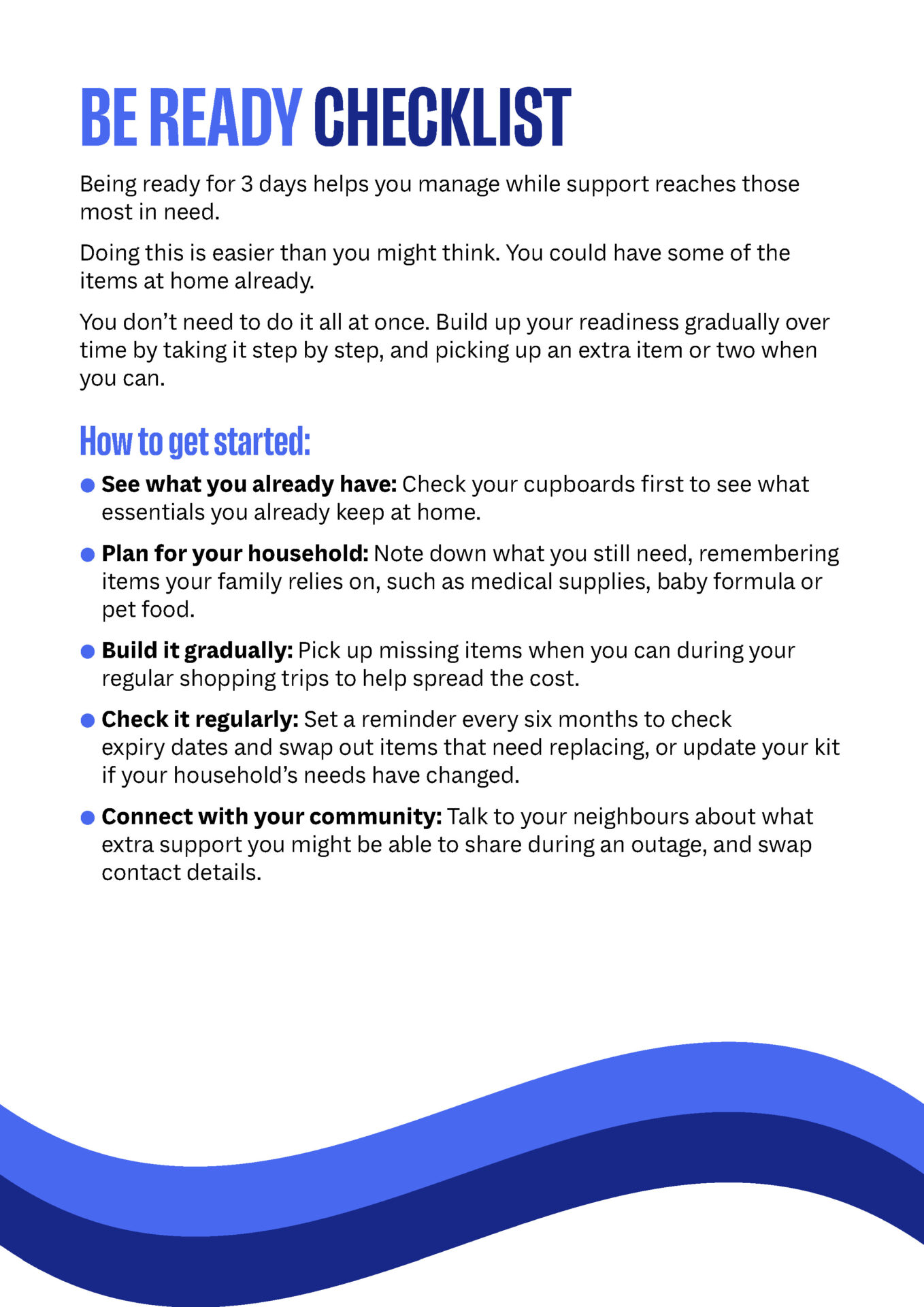
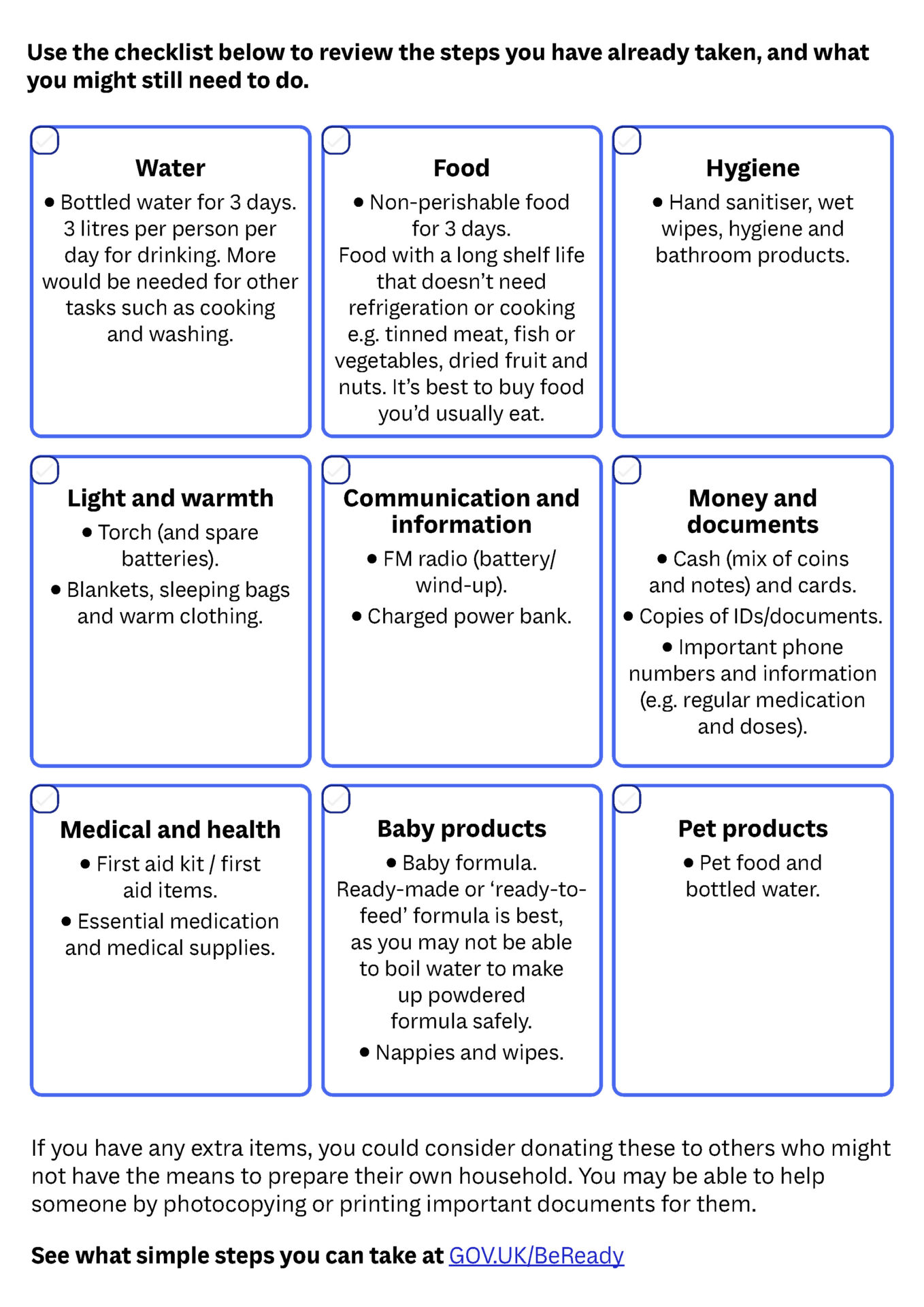
When we were discussing our household readiness, my wife pointed out that we were already prepared. Even when we say that we’re “out of groceries”, we probably have enough food in our cupboards to last us at least a week. We’re used to such abundance.
In the event of a “black sky event” (that is, a widespread loss of critical infrastrucuture), we might have to go without milk or our favourite fruit for a couple of days, maybe run out of our preferred cereal towards the end of the week, but I don’t think it would actually be much of a hardship for us.
Ironically, I write this in-between checking an empty inbox, thanks to the largest Microsoft outage in recent memory. While far removed from a true “black sky event”, it’s a clear demonstration of just how vulnerable we might be when business and infrastructure can become (at least partially) paralysed simply from losing Outlook and Teams for less than a day.
But the campaign got me thinking about those in society who aren’t ready—those who can’t always have three days’ worth of food in their cupboards; those who live from one day to the next; those who rely on food banks and social supermarkets.
I want to prepare my family, not just to survive for three days, but to be ready to care for three days.
What provision could we make to help those who need additional support? Perhaps, then, we should keep two weeks worth of supplies instead. But would that end up being more we’re able to give away, or just another way to protect ourselves for longer?
That is always the tension between independence and interdependence. Do we only protect our own bubble, or do we make it bigger by caring for others?
Of course, there’s no simple answer. We all have responsibilities, particularly to our children and families, and I wouldn’t judge anyone for the decisions they make in a crisis.
My dad had a phrase: “Close enough to know and know enough to care.”
He didn’t see caring as just an emotion; for him, it was all about action. And being ready to help others is about the way we live our lives right now, not simply what we might do if something goes wrong.
So some of us may need more than the Government’s ‘Be Ready’ checklist—we may need a ‘Be Ready to Care’ checklist:
Be Ready to Care checklist
Have enough provisions to help someone else.
Know the people around me and recognise who might struggle.
Understand that their needs might be practical, financial, or emotional.
Build relationships now so that offering or asking for help feels natural.
Involve my family so that caring for others is something we do together.
Encourage others to think about how they might support the people around them.
Test your family and see how you can cope without e.g. the internet for 24 hours.
When I think about my community, I think of my neighbours, my extended family, and my friends. As CEO, I also think of all our staff and all the young people and families we support each week. And each group may need something quite different.
But I can’t stockpile supplies for every one of those people. Instead, what I can do is encourage conversations about preparedness. I can work with local food networks to consider how they might respond. And I can help build the relationships that make it easier for people to support each another.
On top of all of that, there’s one more thing that’s worth considering.
We tend to imagine ourselves as the people who are prepared, the ones in a position to help others.
Yet, even if we’ve done everything we’re supposed to, things can still go wrong. An emergency might last longer than expected. Someone in our family might become ill. Circumstances might change in ways we couldn’t have anticipated.
So, what if we’re the ones who end up knocking on a neighbour’s door?
A crisis can happen to anyone. And perhaps that’s the part of interdependence we sometimes overlook. It’s not simply about being there for others. It’s about knowing that, when we need help ourselves, someone might be there for us.
At LifeLine, we’re creating communities where young people and families thrive. And, for me, that means communities where people are close enough to recognise when someone needs help, and care enough to do something about it.
The Government’s advice asks us to prepare for 72 hours without the services we rely on. That’s sensible advice.
But perhaps being ready should mean more than making sure we can get through those three days ourselves. Perhaps it should also mean thinking about the people around us, the support we could offer and the help we might one day need.
Because a crisis could be just around the corner. But so could someone willing to help.