
It feels like serving no longer seems fashionable. In a culture that prizes visibility, influence, and personal advancement, service can appear more like a step backwards than forwards. Perhaps that is why we often prefer to say volunteer instead, a term that allows us to help without appearing small. Yet, real service always comes with a cost—it requires the deliberate choice to place others before ourselves.
Jesus modelled this kind of leadership when he washed his disciples’ feet, taking on the role of a servant. He taught that “the first will be last and the last will be first,” but, more than that, he lived those words. It was seen as countercultural two thousand years ago, and it remains countercultural today.
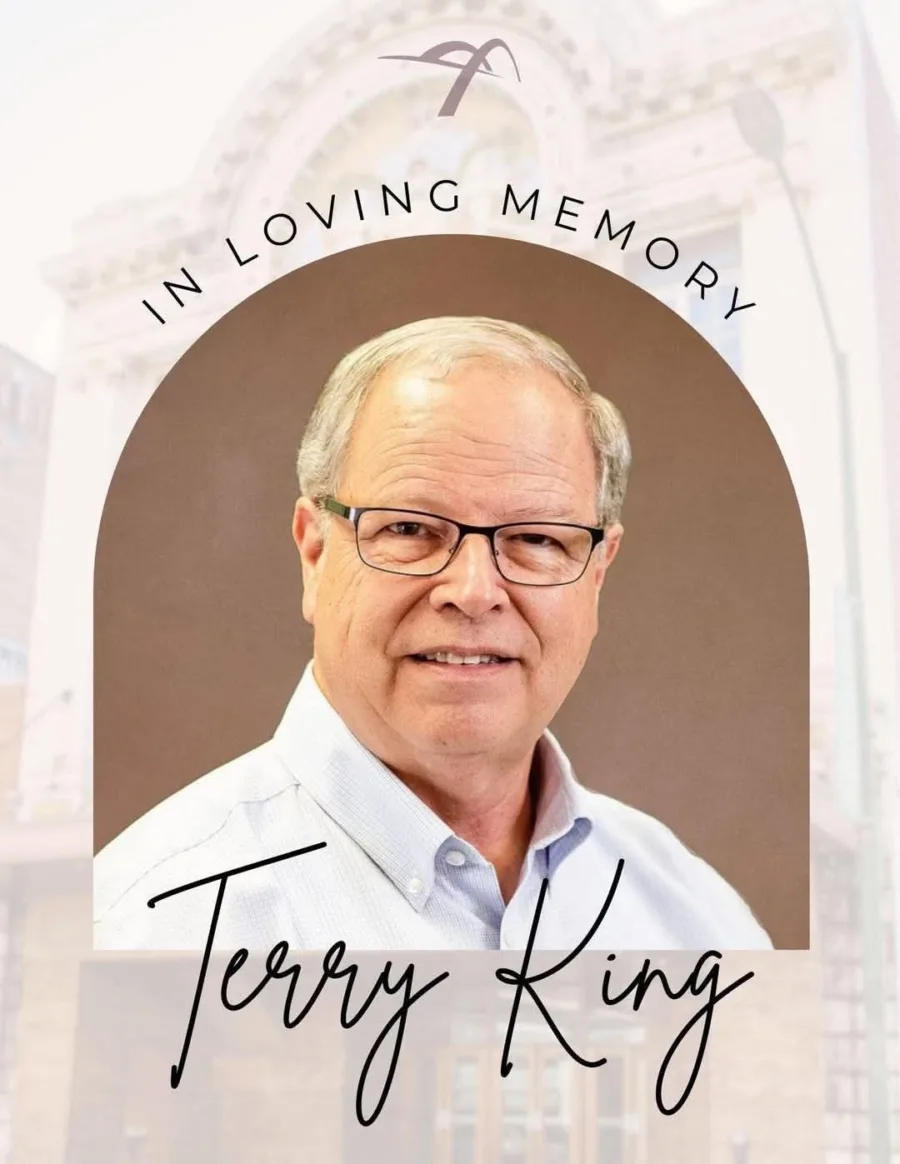
Terry King understood this deeply.
Terry was one of my most significant mentors, but above all, he was a servant. He never used his position, experience, or authority to create distance. His influence came not from power, but from presence. He served me through attention, accountability, and care, often in quiet and unseen ways.
Although Terry lived in the United States, he made himself consistently available. Every few months, we would spend hours together on Zoom. He asked about my marriage, my faith, my relationships, and my work—not as items to check off a list, but because he genuinely cared. He knew more of my inner world than most, and I trusted him completely. And what I shared with him was never used to shape his opinion of me, positively or negatively. That trust was a gift.
Terry also served LifeLine Projects as a trustee for five years. He believed deeply in our vision and mission, but the way he chose to serve was telling. He did not seek visibility or control. Instead, he offered accountability. He understood that strong leadership requires submission as much as direction, and he modelled that with grace.
In November, I travelled to the United States to visit him. His health had deteriorated to the point that we could no longer meet online—Parkinson’s disease had taken much from him. During that visit, something shifted. As often happens with parents, there comes a moment when the roles reverse. Something similar can happen with a mentor.
This time, I sought to encourage Terry as he had encouraged me so many times before. We talked, we spent time together, and we even watched a movie. There was no dramatic moment, no emotional revelation—just presence. And in that, he was still teaching me. The heart of service does not end when strength fades.
Terry spent his life investing in leaders. As Executive Director of Leadership Development Resources, he taught, trained, coached, and mentored across the world. He lived in Zimbabwe and the Philippines, travelled extensively, and built networks that supported pastors and leaders internationally. He believed that faith should have a local impact, serving on the Greater Hagerstown Committee as its only pastor.
For me, most of all, Terry was my friend.
I have written before about losing mentors—first Richard Cole, then my father, and now Terry.
Each loss leaves a gap that cannot be filled.
I cannot replace Terry.
My best hope is to replicate, in some small way, who he was—to serve others as he served me.